Full Siding Replacement
Removal and replacement planned around existing windows, doors, roof lines, utilities and exterior trim.

Coordinated siding and trim solutions for aging materials, storm damage and exterior remodeling projects.
The visible siding is only one layer. Water-resistive barriers, flashing, window and door transitions, penetrations, soffit, fascia and trim details all affect durability.
Removal and replacement planned around existing windows, doors, roof lines, utilities and exterior trim.
Documentation and repair planning for damaged elevations, trim components and related exterior systems.
Repairs and replacement at roof edges and transitions where ventilation, drainage and finished appearance meet.
We Roof Indy installs siding and exterior trim systems for full replacements, storm-related projects and exterior remodeling. Material selection should consider appearance, durability, maintenance, existing construction and how the siding integrates with windows, doors, roofing, gutters, soffit and fascia.
Vinyl siding remains a practical choice for many Central Indiana homes. It is available in a wide range of profiles, colors and styles, requires relatively little routine maintenance, and can work well for both complete replacements and larger exterior remodeling projects.
Fiber cement siding, including James Hardie products, offers a different look and performance profile for homeowners considering a more substantial exterior finish. It can be a good fit where durability, architectural appearance and long-term exterior design are priorities.
Siding projects often involve more than the wall covering itself. We can coordinate soffit, fascia and exterior trim as part of the project so transitions around rooflines, windows, doors and other exterior details are addressed together.
Not every siding problem requires a full replacement. When damage is limited to a small area and compatible material is available, a targeted repair may be the practical solution. The condition of the surrounding siding and the ability to make a reasonable match are important parts of that decision.
Cracked, loose or damaged siding may be repairable when the problem is confined to a specific area and the surrounding siding is still in good condition. We look at the extent of the damage and what caused it before recommending how much work is actually needed.
Matching older siding can be one of the biggest challenges with a repair. Colors fade over time, and some colors, profiles or product lines may no longer be available. Even when a similar product exists, the repaired area may not blend perfectly with the existing exterior.
Wind, hail and other impacts can affect individual sections or multiple elevations of a home. We evaluate the visible damage along with the condition and repairability of the existing siding rather than assuming storm damage automatically means complete replacement.
Replacement may be worth considering when damage is widespread, the existing siding is deteriorated, suitable matching material cannot be found, or repeated repairs would leave the exterior noticeably inconsistent. The goal is to recommend a practical scope based on the actual condition of the home.
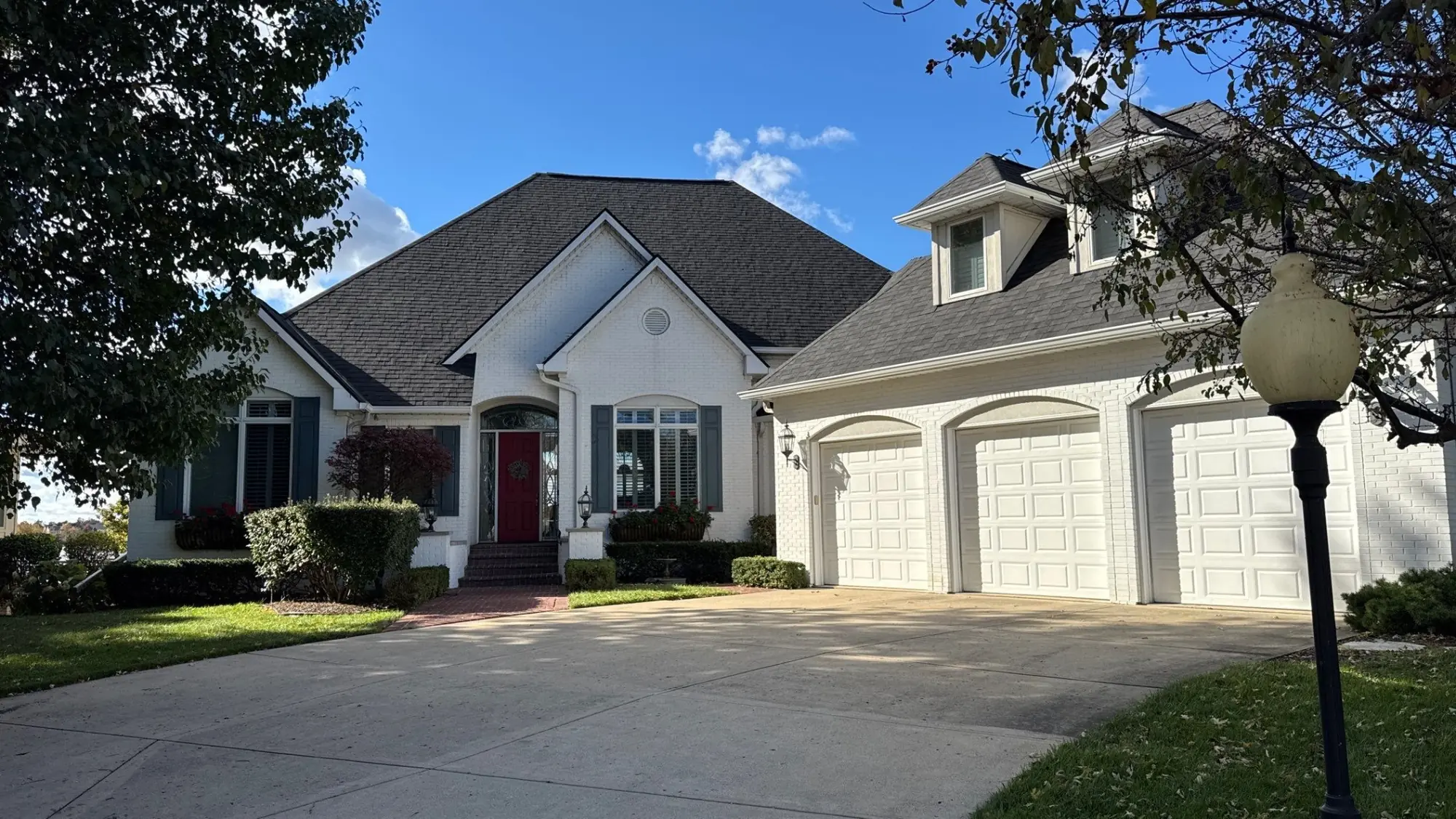
Exterior systems overlap. When more than one needs replacement, a coordinated scope helps protect warranties, improve sequencing and avoid removing newly installed materials to reach hidden flashing later.
Material selection should reflect the home’s design, sun and weather exposure, desired maintenance level and budget. We can help compare appropriate options without treating every project as identical.
Sometimes. Repairability depends on the material, extent of damage, availability of a reasonable match and the condition of the surrounding wall system.
The best sequence depends on the roof-to-wall details and the scope of each project. When both are planned, we coordinate the transitions before work begins.
Yes. We can document visible exterior damage and prepare a restoration scope. Coverage and matching decisions are made by the insurer under the policy.
Tell us what you are seeing and what you would like to accomplish. We will follow up to discuss the project and schedule the appropriate next step.